

Active Mind:
On the Path of Memory
The human brain is an extraordinary archive of experiences, wisdom, and emotions. However, as we age, it is natural for changes to occur in the pace of processing information and retaining new memories. Facing this phase should not be a process of fear or constant struggle, but rather a serene journey.
The Active Mind program was designed to transform cognitive stimulation into a moment of pleasure and connection. Far from the pressure of performance, our focus is to preserve the elderly person's identity, maintain their lucidity for as long as possible, and ensure that each day is lived with dignity.
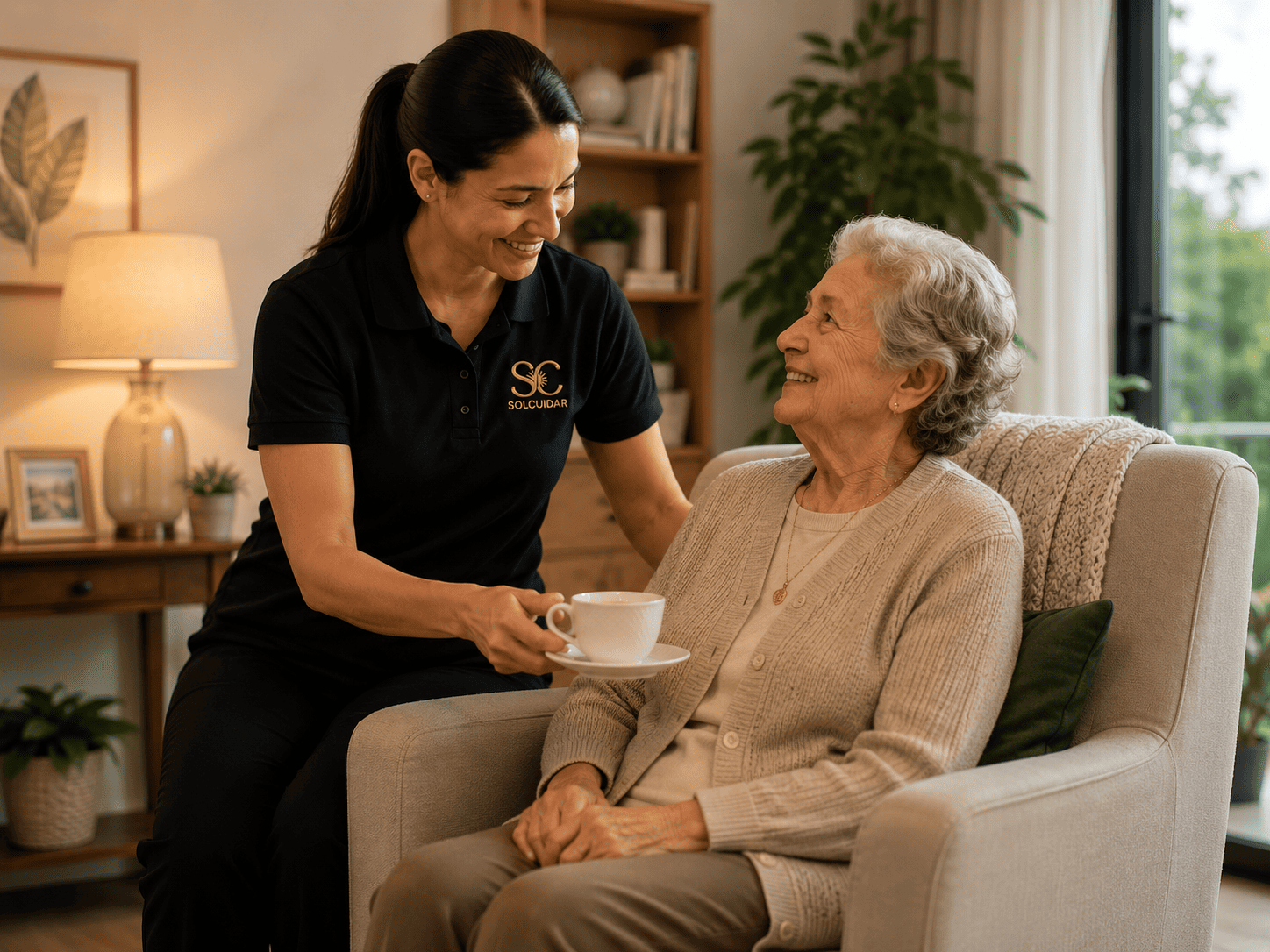
The Pillars of the Active Mind Approach
Practical details of our intervention, from cognitive exercises to vital emotional and family support.
1. Daily Cognitive Stimulation
Brain plasticity allows creating new connections throughout life. The key is regularity and adapting the level of challenge, avoiding frustration.
-
check_circle
Stimulus Routine Integrating small daily challenges, like calculating change or listing groceries.
-
check_circle
Memory-Focused Games Memory cards, puzzles, and word games (Scattergories, crosswords).
-
check_circle
Reading and Current Events Reading the news to keep the elderly person anchored in the present and exercise reasoning.
2. Preserving Memories
More than remembering breakfast, the essence lies in deep memories. Using the senses to "travel back in time".
-
check_circle
Memory Boxes Old objects and tools that invite the elderly person to tell their stories.
-
check_circle
Sensory Stimuli Smell and hearing: the scent of a cake or a song from their youth unlock experiences.
-
check_circle
Family Albums Validating the elderly person's impact on building the family, reinforcing their legacy.
3. Managing Mild Confusion
In early stages of decline, how the caregiver reacts to confusion dictates whether the episode ends in peace or anxiety.
-
check_circle
Avoid Direct Confrontation Do not aggressively contradict facts; focus on the emotion behind the words.
-
check_circle
The Art of Redirection Gently divert attention by changing the environment or introducing something pleasant.
-
check_circle
Signposted Environment Use large clocks with dates and labels on drawers to adjust orientation.
4. Family Guidance
Family is the central pillar of an elderly person's well-being, but seeing a loved one lose some cognitive faculties is painful. Family guidance is vital to align expectations and transform anguish into empathy.
"Care based on patience ensures that awareness and dignity remain untouched."
balance Principles of Family Action in Cognitive Decline
|
cancel
What to Avoid (Exhausting Behaviors)
|
check_circle
What to Practice (Mindful Behaviors)
|
|---|---|
| Treating the elderly person like a child (infantilization). | Speak with respect and a normal adult tone of voice. |
| Constantly testing memory ("Don't you remember?"). | Offer the information naturally and subtly. |
| Doing things for the elderly person out of impatience. | Give them the necessary time to complete the task. |
| Discussing the elderly person's condition in front of them. | Include the elderly person in the conversation or speak in private. |
A Supported Mind is a Living Mind
The journey of cognitive aging does not have to be lonely or marked by loss. Through the implementation of the Active Mind program, we embrace the reality of each elderly person with the right tools and an open heart.
When we offer appropriate daily stimuli, value the memories that shaped a life, handle confusion with serenity, and educate families for care based on patience and absolute respect, we achieve something extraordinary: we ensure that, regardless of memory challenges, the elderly person's awareness and dignity remain untouchable until the end.