

Mindful Care:
Serenity in Specific Conditions
In the universe of geriatric care, there are moments when aging brings more complex challenges, requiring an exceptional level of attention and sensitivity. The concept of Mindful Care was born exactly to respond to these situations.
It is an approach where clinical technique merges with emotional intelligence, ensuring that the specific conditions of each elderly person are managed with absolute serenity, keeping their dignity intact.
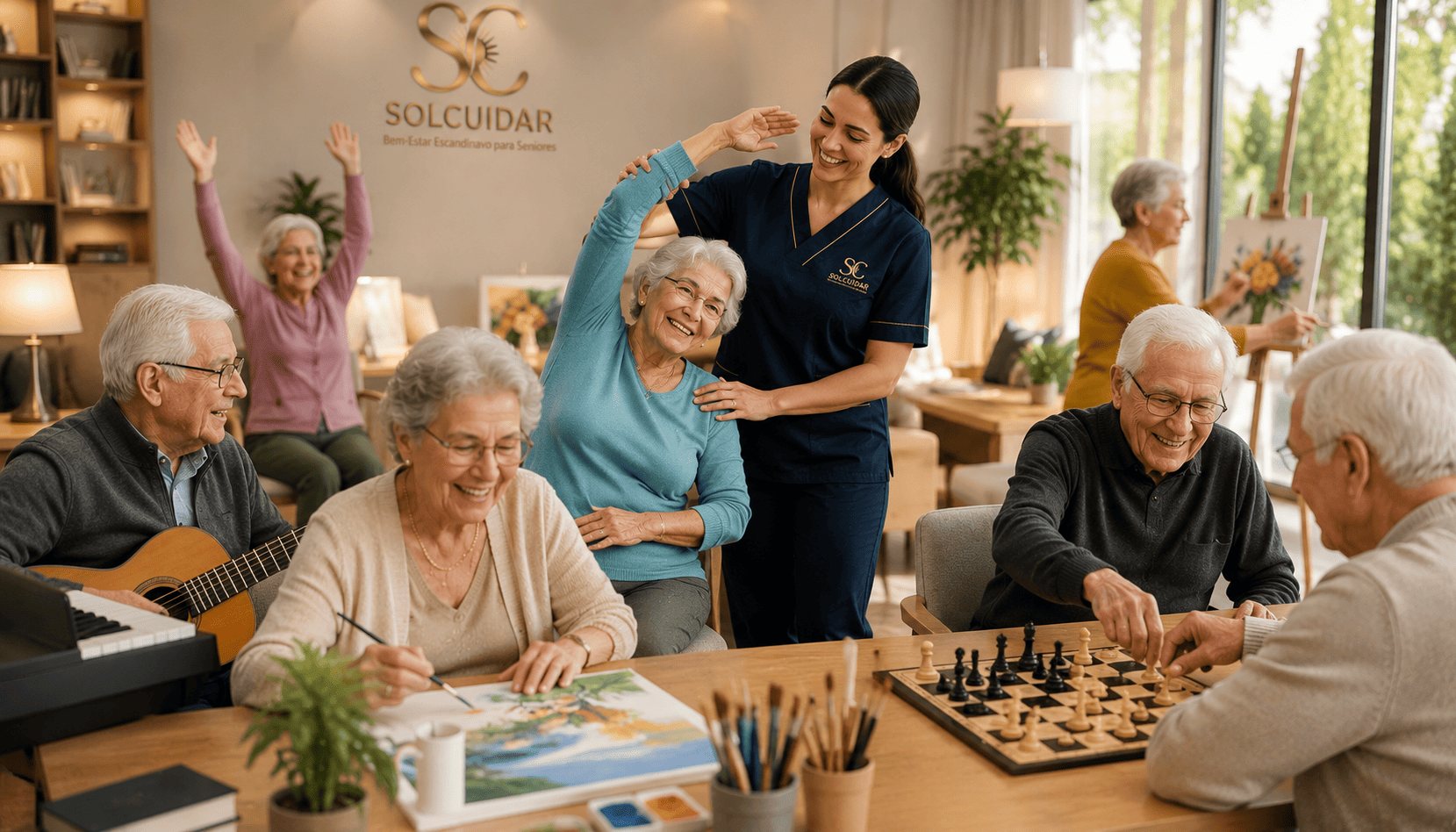
Calm, Patience, and Humanization
Below, we detail how this patient and deeply humanized posture is applied to frailties and health challenges.
1. Approaches to Memory
Dealing with conditions like Alzheimer's Disease or other dementias requires a paradigm shift. The elderly person's world can become confusing, and the caregiver must be an anchor of peace.
-
check_circle
Validation Therapy Instead of contradicting, it focuses on validating the feelings behind the confusion, entering the person's "world".
-
check_circle
Calm and Predictable Environment Reducing excessive stimuli and maintaining a strict routine convey safety.
-
check_circle
Non-Verbal Communication When words fail, a soft tone of voice, calm eye contact, and a welcoming touch are fundamental.
2. Special Needs
Severe chronic conditions (Parkinson's, stroke sequelae) require strict management and a sharp clinical eye, without making the elderly person feel like they are in a cold hospital environment.
-
check_circle
Pain Management The attentive posture allows for identifying subtle signs of discomfort (facial expressions) and acting with the medical team.
-
check_circle
Palliative Care and Comfort In advanced stages, ensuring physical comfort, adequate hydration, and impeccable hygiene is the priority.
-
check_circle
Injury Prevention Regular, gentle position changes prevent pressure ulcers in meticulous care.
3. Mobility Support
The loss of mobility affects not only the body; it deeply impacts the elderly person's confidence and independence. Mindful care acts in prevention and safe encouragement.
-
check_circle
Empathetic Physical Assistance Assistance in transfers with fluid movements, informing the elderly person of every step.
-
check_circle
Encouraging Autonomy Encouraging the elderly person to do what they can, maintaining residual muscle strength.
Environmental Interventions for Mobility Support
| Mobility Challenge | Mindful Intervention | Impact on Well-being |
|---|---|---|
| Fall Risk | Removal of loose rugs and good night lighting. | Reduces the fear of walking around the house. |
| Difficulty Bathing | Installation of grab bars and shower chairs. | Preserves dignity and safety in hygiene. |
| Extreme Fatigue | Creation of strategic "resting points" around the house. | Allows movement without exhaustion or anxiety. |
4. The Caregiver's Posture
The techniques described above only work when applied through a lens of deep humanization. Mindful care is not a robotic script; it is an attitude towards human suffering and frailty.
hourglass_empty Patience as a Pillar
The elderly person's time is different from the modern world's time. Waiting for them to finish a sentence or button a shirt, without showing rush, is an act of love and respect.
self_improvement Professional Emotional Regulation
A caregiver who projects calm helps regulate the elderly person's nervous system. Panic breeds panic; serenity breeds serenity.
"Providing mindful care is not just about intervening in the aging body, but protecting the identity and dignity that inhabit that body, regardless of its limitations."
A Haven of Safety
When memory fails, when legs lose strength, or when chronic illnesses set in, the elderly person needs more than just technical assistance: they need a haven. Mindful Care represents the promise that no limitation will erase the person's value.
Through targeted interventions, combined with an attitude of unwavering calm and infinite patience, we transform care into an act of deep respect, ensuring that even in the most specific and challenging conditions, life continues to be lived with dignity, serenity, and true humanization.